One board. 64 squares. Countless possibilities. And now, 100 Indian Grandmasters!
Imagine a country where chess was once considered a game for a small group of enthusiasts. Fast-forward a few decades, and that same country is producing world champions, international stars, and some of the youngest chess talents in the world.
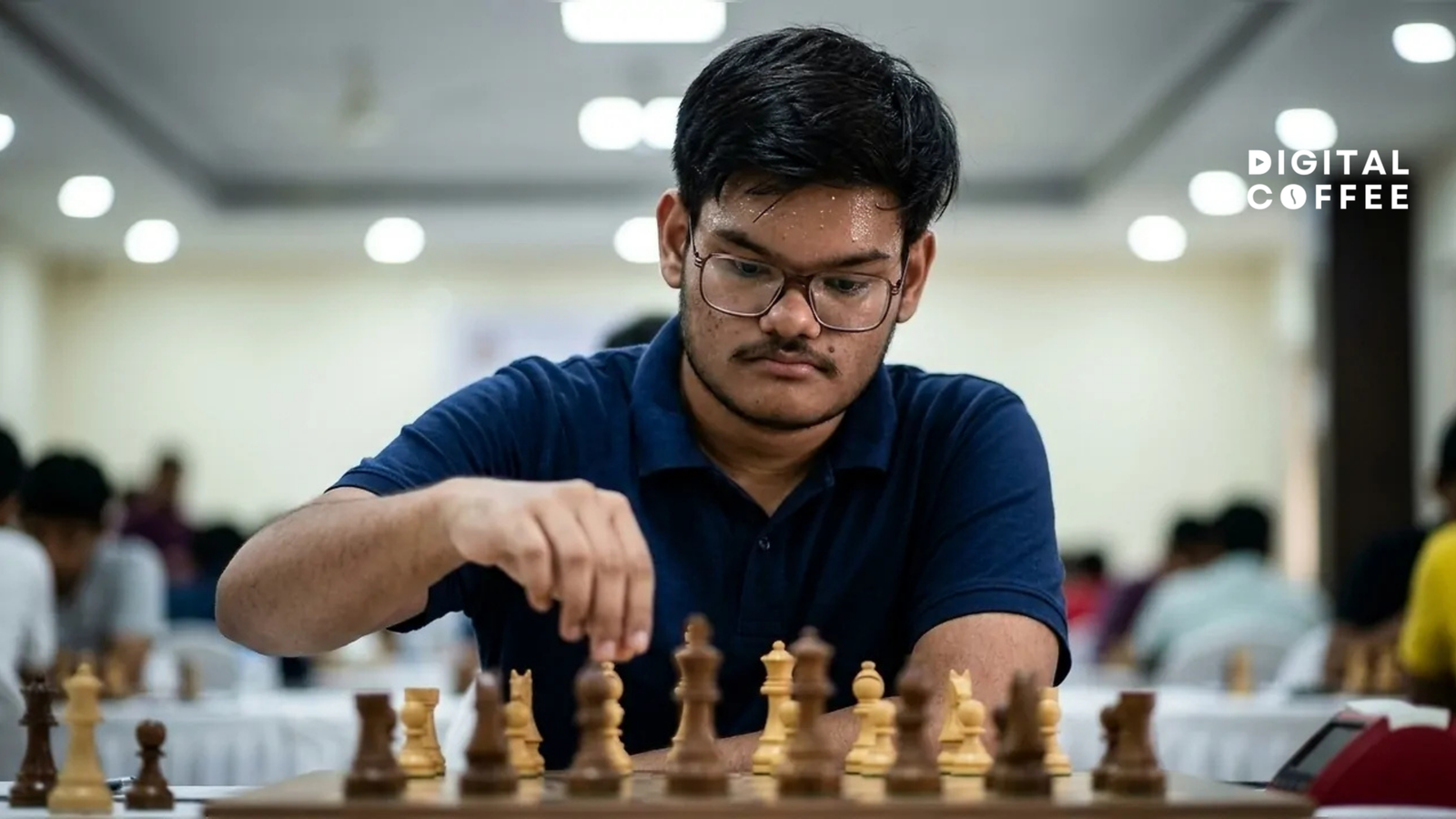
India has officially reached an incredible milestone by producing its 100th Chess Grandmaster. The achievement came when Anuj Shrivatri, a 22-year-old chess player from Madhya Pradesh, won the 7th ASEAN Plus Individual Open Chess Championship in the Philippines on November 8, 2026.
But this achievement is about much more than reaching a three-digit number. It represents years of dedication, the rise of young talent, improved training opportunities, and India’s growing influence on the international chess stage.
So, how did India go from having its first Grandmaster to producing 100? Let’s explore the journey!
𝗧𝗵𝗲 𝗛𝗶𝘀𝘁𝗼𝗿𝗶𝗰 𝗠𝗼𝗺𝗲𝗻𝘁: 𝗠𝗲𝗲𝘁 𝗜𝗻𝗱𝗶𝗮’𝘀 𝟭𝟬𝟬𝘁𝗵 𝗚𝗿𝗮𝗻𝗱𝗺𝗮𝘀𝘁𝗲𝗿
The name behind this historic achievement is Anuj Shrivatri from Katni, Madhya Pradesh.
He secured the Grandmaster title after winning the 7th ASEAN Plus Individual Open Chess Championship held in the Philippines. Despite losing his opening game, Anuj made a remarkable comeback, finishing the tournament with seven points out of nine.
His victory placed him in Indian chess history as the country’s 100th Grandmaster. He also became the first Grandmaster from Madhya Pradesh.
For Anuj, this was the result of years of hard work and commitment. For India, it was another important step in becoming one of the strongest chess-playing nations in the world.
𝗜𝗻𝗱𝗶𝗮’𝘀 𝗖𝗵𝗲𝘀𝘀 𝗝𝗼𝘂𝗿𝗻𝗲𝘆: 𝗪𝗵𝗲𝗿𝗲 𝗜𝘁 𝗔𝗹𝗹 𝗕𝗲𝗴𝗮𝗻
Every remarkable journey has a beginning, and India’s Grandmaster story started with one name: Viswanathan Anand.
In 1988, Anand became India’s first Grandmaster, opening the door for future generations of Indian chess players. At a time when international chess was largely dominated by players from countries such as the Soviet Union, his success showed that Indian players could compete at the highest level.
Anand went on to become a five-time World Chess Champion. His achievements inspired thousands of young Indians to take chess seriously, not just as a hobby but as a possible career.
After Anand, players such as Dibyendu Barua and Praveen Thipsay helped build the foundation for Indian chess.
However, the journey from one Grandmaster to 100 was not an overnight success. It took decades of effort, improved training systems, tournament exposure, and a new generation of talented players.
𝗙𝗿𝗼𝗺 𝟭 𝘁𝗼 𝟭𝟬𝟬: 𝗛𝗼𝘄 𝗙𝗮𝘀𝘁 𝗗𝗶𝗱 𝗜𝗻𝗱𝗶𝗮 𝗚𝗿𝗼𝘄?
One of the most interesting parts of India’s chess journey is how quickly the number of Grandmasters has increased in recent years.
Here is a look at some important milestones:
- 1988: Viswanathan Anand became India’s first Grandmaster.
- 1991: Dibyendu Barua became India’s second Grandmaster.
- 1997: Praveen Thipsay became the third.
- 2013: India reached 32 Grandmasters.
- 2017: The country crossed the 50-Grandmaster milestone.
- 2026: India reached 100 Grandmasters, with Anuj Shrivatri achieving the landmark.
What makes this growth particularly impressive is that India added its next 50 Grandmasters in less than nine years after reaching the halfway mark.
According to recent reporting, India is now among the few countries worldwide to have reached 100 Grandmasters, placing it fourth by total Grandmaster count.
This is not just a number. It reflects how much India’s chess ecosystem has developed over the years.
𝗧𝗵𝗲 𝗡𝗲𝘄 𝗚𝗲𝗻𝗲𝗿𝗮𝘁𝗶𝗼𝗻: 𝗬𝗼𝘂𝗻𝗴 𝗜𝗻𝗱𝗶𝗮𝗻 𝗣𝗹𝗮𝘆𝗲𝗿𝘀 𝗠𝗮𝗸𝗶𝗻𝗴 𝗚𝗹𝗼𝗯𝗮𝗹 𝗛𝗲𝗮𝗱𝗹𝗶𝗻𝗲𝘀
Perhaps the most exciting part of India’s chess success is the number of young players making their mark internationally.
Today’s Indian chess scene features talented names such as:
- D. Gukesh: The youngest undisputed World Chess Champion, whose achievement brought enormous attention to Indian chess.
- R. Praggnanandhaa: Known for his exceptional performances against some of the world’s strongest players.
- Arjun Erigaisi: One of India’s leading players, recognised for his competitive performances in international tournaments.
- Nihal Sarin: A highly talented player who has been making waves in international chess from a young age.
- Divya Deshmukh: A major name in Indian women’s chess who won the 2025 FIDE Women’s World Cup.
These players are showing that Indian chess has a bright future. More importantly, their achievements are encouraging younger students to explore the game and dream of competing internationally.
𝗪𝗵𝘆 𝗜𝘀 𝗜𝗻𝗱𝗶𝗮 𝗣𝗿𝗼𝗱𝘂𝗰𝗶𝗻𝗴 𝗦𝗼 𝗠𝗮𝗻𝘆 𝗚𝗿𝗮𝗻𝗱𝗺𝗮𝘀𝘁𝗲𝗿𝘀?
Reaching 100 Grandmasters is not simply about having talented players. Several factors have contributed to India’s growing success in chess.
1. Better Chess Training and Coaching
Professional coaching, chess academies, experienced trainers, and structured training programmes have helped young players improve their skills. Students now have more opportunities to learn from experienced coaches and compete in recognised tournaments.
2. Online Chess Platforms
Online platforms have made chess more accessible than ever. Players can practise, compete against international opponents, analyse their games, and learn new strategies without always travelling to a tournament venue.
3. Growing Chess Culture in Schools
Chess is increasingly being recognised as an activity that can support concentration, patience, logical thinking, and problem-solving. Schools, parents, and educational institutions are showing greater interest in introducing children to the game.
4. More Tournament Opportunities
National and international tournaments give players valuable experience. Regular competition helps them improve their ratings, gain exposure, and work towards prestigious titles.
5. Inspiration from Successful Players
When young players see Indians winning world titles and competing against international champions, they begin to believe that similar achievements are possible for them.
The success of players such as Viswanathan Anand and D. Gukesh has helped create that confidence.
𝗪𝗵𝘆 𝗗𝗼𝗲𝘀 𝗧𝗮𝗺𝗶𝗹 𝗡𝗮𝗱𝘂 𝗣𝗹𝗮𝘆 𝗦𝘂𝗰𝗵 𝗮 𝗕𝗶𝗴 𝗥𝗼𝗹𝗲 𝗶𝗻 𝗜𝗻𝗱𝗶𝗮𝗻 𝗖𝗵𝗲𝘀𝘀?
When discussing Indian chess, Tamil Nadu deserves special recognition.
The state has produced several internationally recognised players, starting with Viswanathan Anand from Chennai. His success helped inspire a strong chess culture across the state.
Today, Tamil Nadu continues to contribute significantly to Indian chess, with players such as R. Praggnanandhaa, D. Gukesh, and many others representing the state on international platforms.
According to recent reports, 39 of India’s 100 Grandmasters are from Tamil Nadu. This makes the state a major centre of chess talent in the country.
Chennai, in particular, has become an important destination for chess tournaments, training, and international events.
The growth of chess in Tamil Nadu demonstrates how strong coaching networks, tournament opportunities, and community support can help develop sporting talent.
𝗪𝗵𝗮𝘁 𝗗𝗼𝗲𝘀 𝗜𝘁 𝗧𝗮𝗸𝗲 𝘁𝗼 𝗕𝗲𝗰𝗼𝗺𝗲 𝗮 𝗖𝗵𝗲𝘀𝘀 𝗚𝗿𝗮𝗻𝗱𝗺𝗮𝘀𝘁𝗲𝗿?
Becoming a Grandmaster is one of the most challenging achievements in professional chess.
The title is awarded by FIDE (International Chess Federation), the global governing body of chess.
Under the standard route, a player generally needs to:
- Reach a FIDE rating of at least 2500.
- Earn three Grandmaster norms by performing strongly in qualifying international tournaments.
- Meet the tournament participation and other eligibility requirements set by FIDE.
A Grandmaster norm is awarded when a player achieves the required performance in a tournament that meets specific FIDE conditions.
The process requires years of preparation, consistent performance, mental strength, and a willingness to learn from every game.
There are also special tournament regulations and exceptions under which a player may earn the title through a direct route, as happened with Anuj Shrivatri’s ASEAN Plus championship victory.
This is why becoming a Grandmaster is not simply about knowing how to play chess. It requires dedication, discipline, strategic thinking, and exceptional consistency.
𝗪𝗵𝗮𝘁 𝗗𝗼𝗲𝘀 𝗜𝗻𝗱𝗶𝗮’𝘀 𝟭𝟬𝟬𝘁𝗵 𝗚𝗿𝗮𝗻𝗱𝗺𝗮𝘀𝘁𝗲𝗿 𝗠𝗶𝗹𝗲𝘀𝘁𝗼𝗻𝗲 𝗠𝗲𝗮𝗻 𝗳𝗼𝗿 𝘁𝗵𝗲 𝗙𝘂𝘁𝘂𝗿𝗲?
India reaching 100 Grandmasters is an important achievement, but it also raises an interesting question: What’s next for Indian chess?
With more young players entering competitive chess, the country has an opportunity to strengthen its position in international tournaments.
The next generation could bring more World Championship contenders, stronger performances in team competitions, and greater recognition for Indian women in chess.
There is also room for improvement. Access to professional coaching, financial support, quality tournament opportunities, and career stability remain important challenges for aspiring players.
Becoming a Grandmaster does not automatically guarantee a successful professional career. Players need continued support to compete, improve their ratings, and establish themselves internationally.
If India continues investing in its chess ecosystem, reaching 150 or even 200 Grandmasters in the coming years could become a realistic ambition.
𝗙𝗿𝗲𝗾𝘂𝗲𝗻𝘁𝗹𝘆 𝗔𝘀𝗸𝗲𝗱 𝗤𝘂𝗲𝘀𝘁𝗶𝗼𝗻𝘀 (𝗙𝗔𝗤𝘀)
1. Who is India’s 100th Chess Grandmaster?
Anuj Shrivatri from Madhya Pradesh became India’s 100th Grandmaster after winning the 7th ASEAN Plus Individual Open Chess Championship in the Philippines on November 8, 2026.
2. Who was India’s first Chess Grandmaster?
Viswanathan Anand became India’s first Grandmaster in 1988. He later went on to become a five-time World Chess Champion.
3. How many Chess Grandmasters does India have?
India reached the landmark of 100 Grandmasters in November 2026, following Anuj Shrivatri’s achievement.
4. Who awards the Grandmaster title in chess?
The Grandmaster title is awarded by FIDE, the International Chess Federation, which governs international chess competitions and titles.
5. How can someone become a Chess Grandmaster?
Under the standard route, a player generally needs to reach a FIDE rating of 2500 and earn three Grandmaster norms in qualifying tournaments, while meeting FIDE’s eligibility requirements.
6. Which Indian state has produced the most Chess Grandmasters?
Tamil Nadu leads the state-wise count, with 39 of India’s 100 Grandmasters, according to recent reporting.
𝗙𝗶𝗻𝗮𝗹 𝗧𝗵𝗼𝘂𝗴𝗵𝘁𝘀: 𝗧𝗵𝗲 𝗡𝗲𝘅𝘁 𝗖𝗵𝗮𝗽𝘁𝗲𝗿 𝗼𝗳 𝗜𝗻𝗱𝗶𝗮𝗻 𝗖𝗵𝗲𝘀𝘀 𝗕𝗲𝗴𝗶𝗻𝘀!
From Viswanathan Anand’s historic breakthrough in 1988 to Anuj Shrivatri taking India to the 100-Grandmaster milestone in 2026, the country’s chess journey has been nothing short of inspiring.
What started with one player has grown into a nationwide movement, with young talents emerging from different states and competing on the world’s biggest chess stages.
India’s achievement is not just about the number of Grandmasters it has produced. It is about the dreams of young players, the dedication of coaches, the support of families, and a sporting culture that continues to grow.
The first 100 Grandmasters have made history. Now, the journey towards 200 begins!What do you think? Could India become the world’s leading chess nation in the coming years? Share your thoughts!